This will probably be my last post from Japan as we leave very early Tuesday morning to head back to Montreal and Stowe. Let’s talk about the train system in Japan. The trains arrive to the second, they are incredibly clean, and the signage where you need to stand to get into your particular car is excellent. The speed of the Shinkenhansen, the main train line between major cities, gets you to places so quickly you can understand why it is the way people travel throughout Japan. The tracks are smooth, the cars are immaculate and the seats are comfortable. I cannot understand why the U.S. does not make an investment in the rail system as it would solve so many issues with our crowded highways, and an alternative to flying. Even the local trains are fast, efficient, and clean.
Of course, one should know when someone says, “You won’t have any trouble finding your train”, you might as well figure the opposite will be true. You arrive at the train station, people are bombarding you from left, right and sideways, rushing toward some train, somewhere. Meanwhile you are standing, probably right in the way of people, gaping at the time table as it flashes at you in Japanese. Now you know it is surely going to change to English, as it does in every station, but until it does you might as well stop gaping and move aside so people can get around you. But you don’t. No, you stand there with your mouth open, schedule in hand, suitcase so embarrassed by you it is attempting to roll away and you pray the schedule will show up in English. When it does, your train or the name of your destination is not on the board. Seconds later it is back to Japanese and you are screwed until it rolls around again.
Eventually you see a time that looks like the time you are to board. If you are lucky you might recognize the name of your destination or else it doesn’t show at all and you have to figure out the final destination of the train, while determining if your stop is on the way. And throughout this process it has flipped to Japanese many times. As if this is not enough, you must buy your ticket. You have to find out where to buy the ticket, hoping you can find a ticket booth instead of approaching one of the many machines that spits out tickets. Those machines just act like sentinels of guards so foreboding you instinctively know you can’t conquer them.
You make it to the ticket booth, mind you, there is about 10 minutes between train transfers, and you desperately have to go to the bathroom, but you don’t even consider trying to find a bathroom because you might not make your train. The ticket taker points to the machine and there you are, back facing “The machine.” You approach and wow, you can select English as your language, you go through the menu, pick your destination, put your money in and out spits the ticket. All in about 5 minutes or less.
Then it is a dash to the right gate, get in line only to find you are not in the reserved ticket line, dash to the section of the train that has reserved seats, and throw yourself through the door as it is closing. Grab your seat, sit down and then you realize, you never went to the bathroom and you have an hour to your destination.
We met a thirty year old on our train to Uno who had just as much trouble figuring out the trains. So we know it is not our age. Did I mention that sometimes you have to carry your suitcase up and down many fights of stairs. Warning to all of you heavy, large bag travelers.
We were headed for Uno where we were catching the ferry to Naoshima Island for an afternoon of touring the island to see all of the famous outdoor sculptures and to go to the Benesse Museum. We really should have had several days, as the island is filled with museums, outdoor sculptures and magnificent views. The famous pumpkin sculpture by Yaoi Kusama is nearby the museum while the”cat” by Niki de saint Phalle stands along the roadside. Other beautiful sculptures dot the hillside looking toward the ocean. Inside the museum are some of my favorite artists, Frank Stella, Louise Nevelson, Giacometti, Lichtenstein, George Segal, and many more. What is truly amazing is the architecture of this museum designed by Tadao Ando. This museum was designed with large openings to allow the natural beauty of the island to be seen through large windows, or balconies therefore creating a space for nature to shine with the works of art.

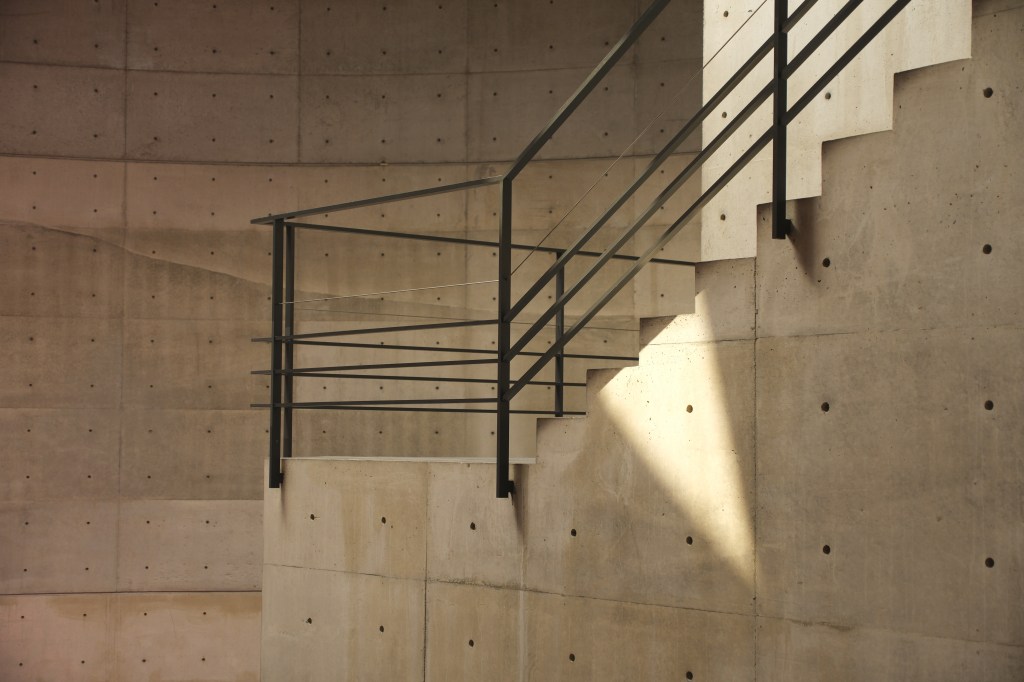


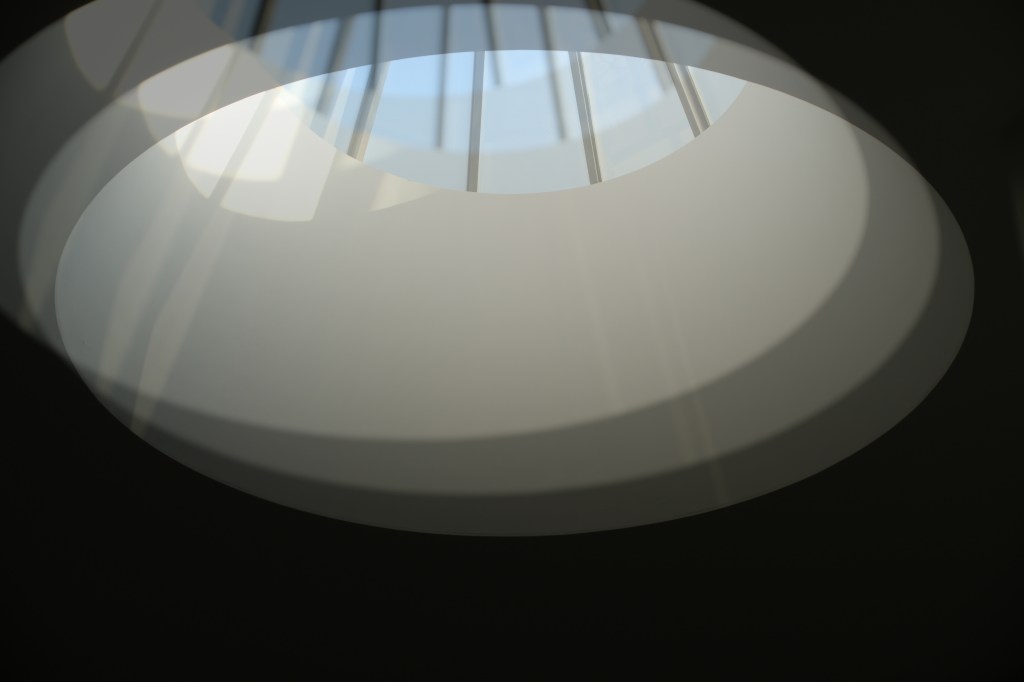
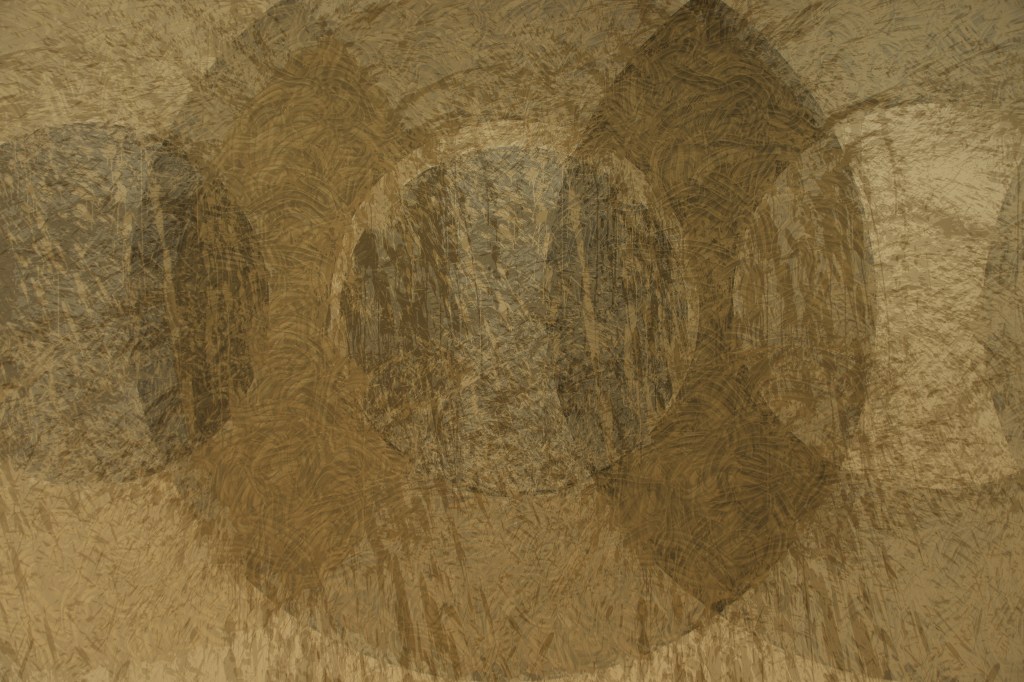
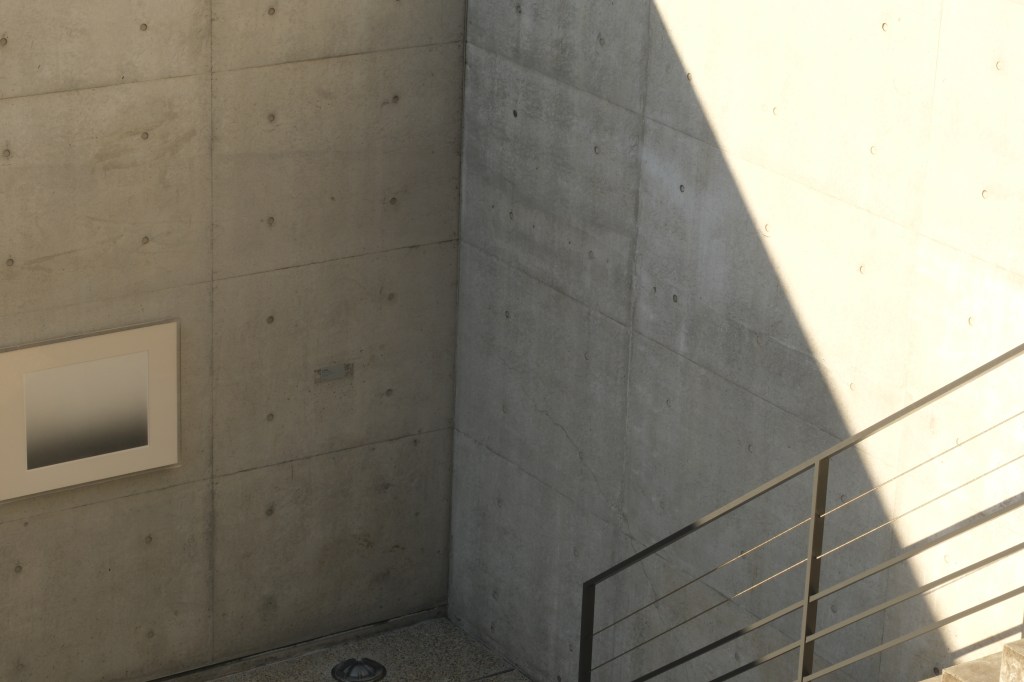
I have included some of my multiple images as this building and the surrounds spoke to me to try to express this art differently. Of course, the pumpkin is so famous I did not have time to create a multiple image as there was a line of people waiting to have their picture taken in front of the pumpkin. I had seconds to try to get a picture without people .
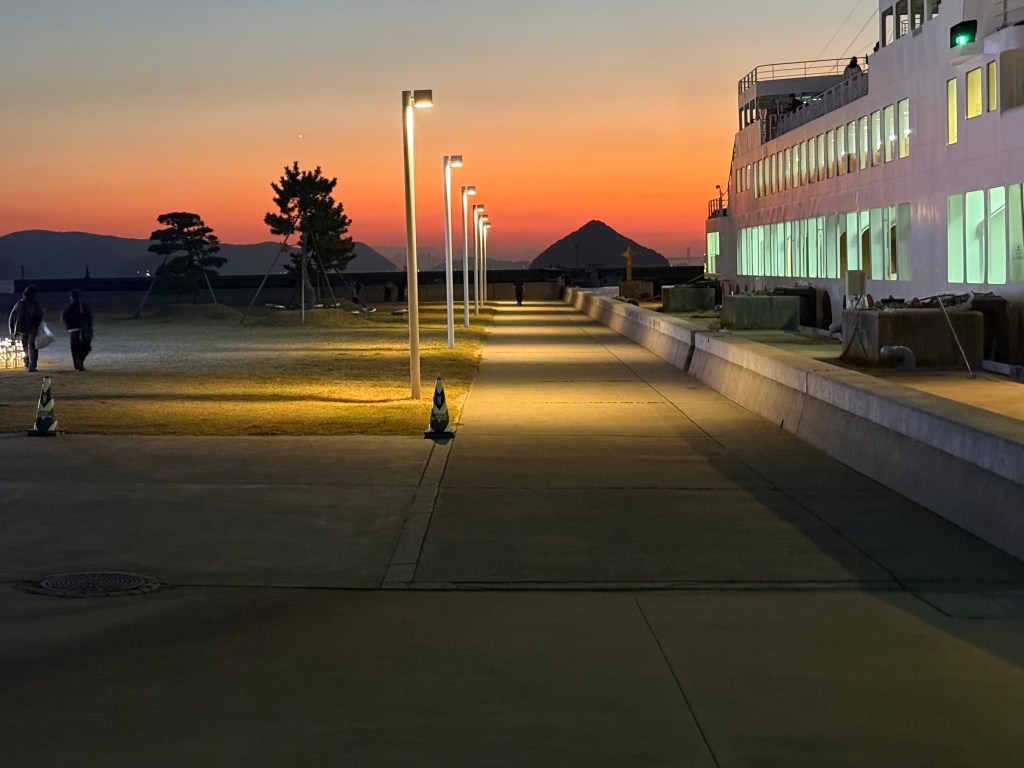
A ferry ride back to Uno in the dark, showed us the island in the last light as it pulled away from the terminal. Good-bye for now, perhaps you may get one more blog from me.




 Go wild with the Smith's