Woke up and am back to normal, heating pad, and Beth’s Arnica from Stowe did the trick. Looking forward to a massage in Whitefish. I have to say, we certainly find ourselves in the strangest RV parks. Harvest Host is not coming up with options, Boondocking also is not that great. Our choice seem to be either “All Stays”, “Campadiem” or “KOA.” Last night we stayed in an RV park next to the highway in CutBank, MT which looked a bit seedy but the spots were nice, it was clean, the showers and bathrooms were in an enormous Quonset hut where country music played all night long. Actually kind of soothing in a building that was otherwise a bit spooky.
I have to take back my intentions of not staying at a KOA. The last two were really good. Three nights in Spearfish, SD and now in Whitefish, MT they offer sites that are farther apart with trees amongst the camp sites, so you do not feel like you are staying in a parking lot. Basically, they are like Motel 6, you know what you are getting. It is the camping sites that make the difference. But the showers are hot, and the laundry is clean.
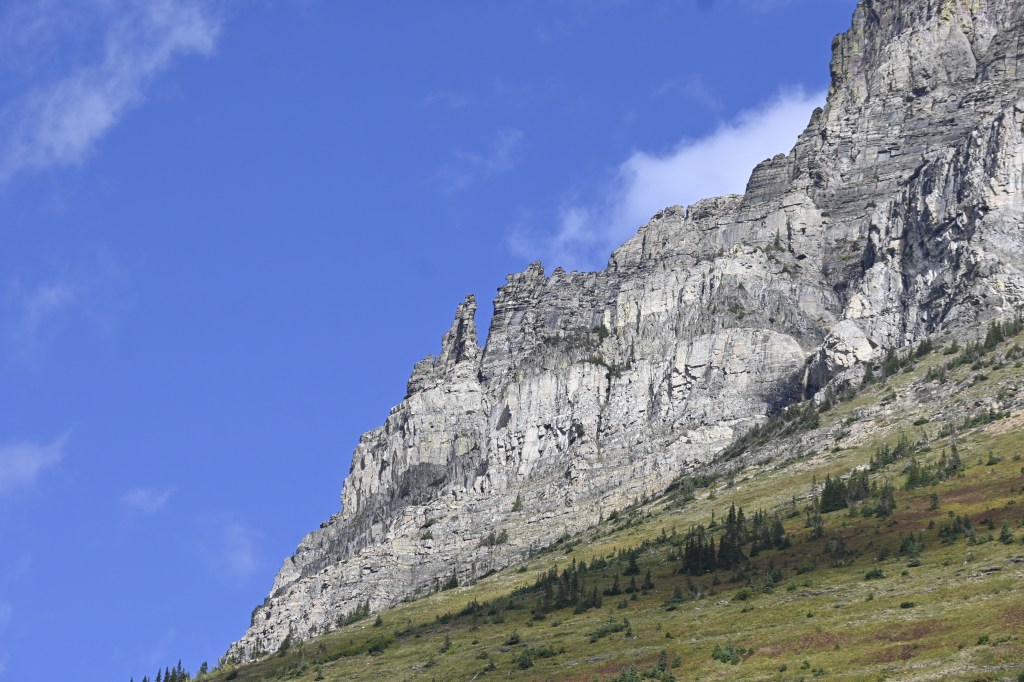
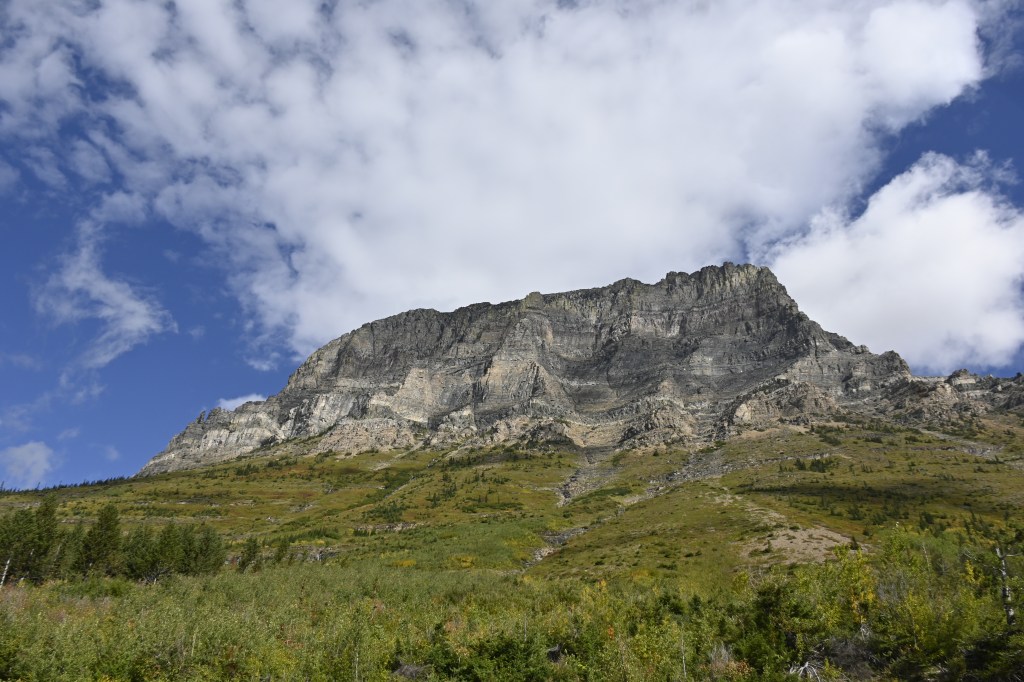
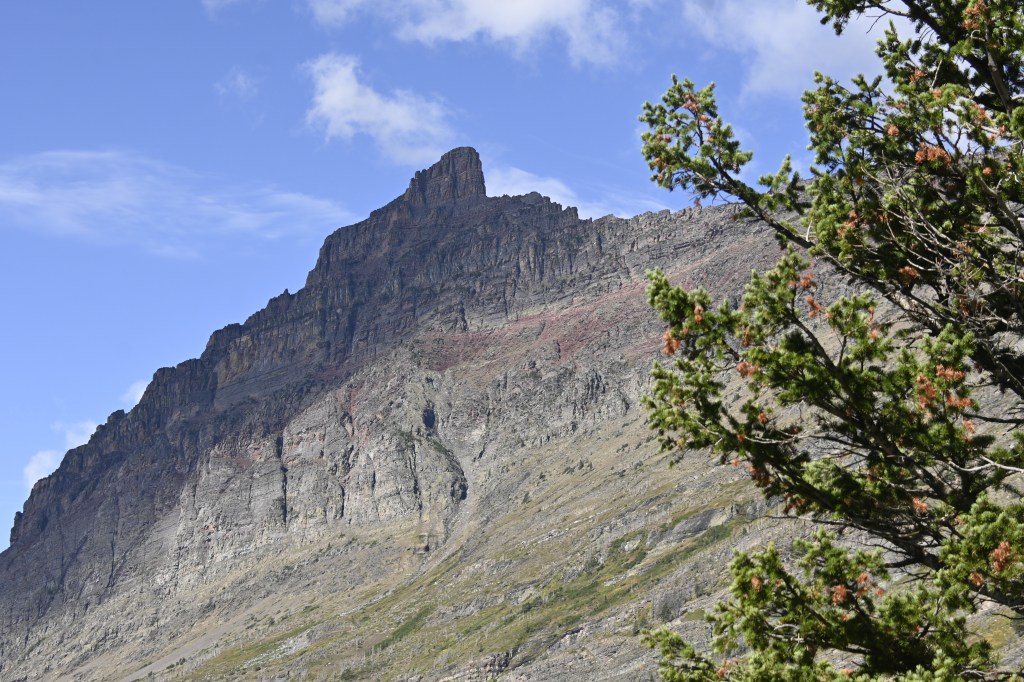
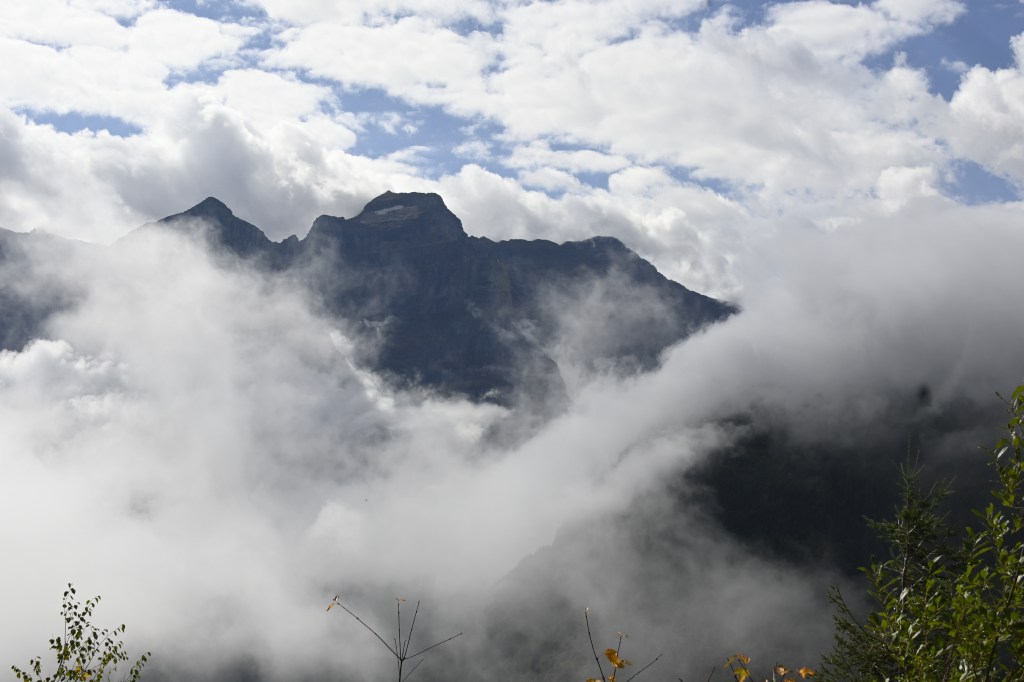
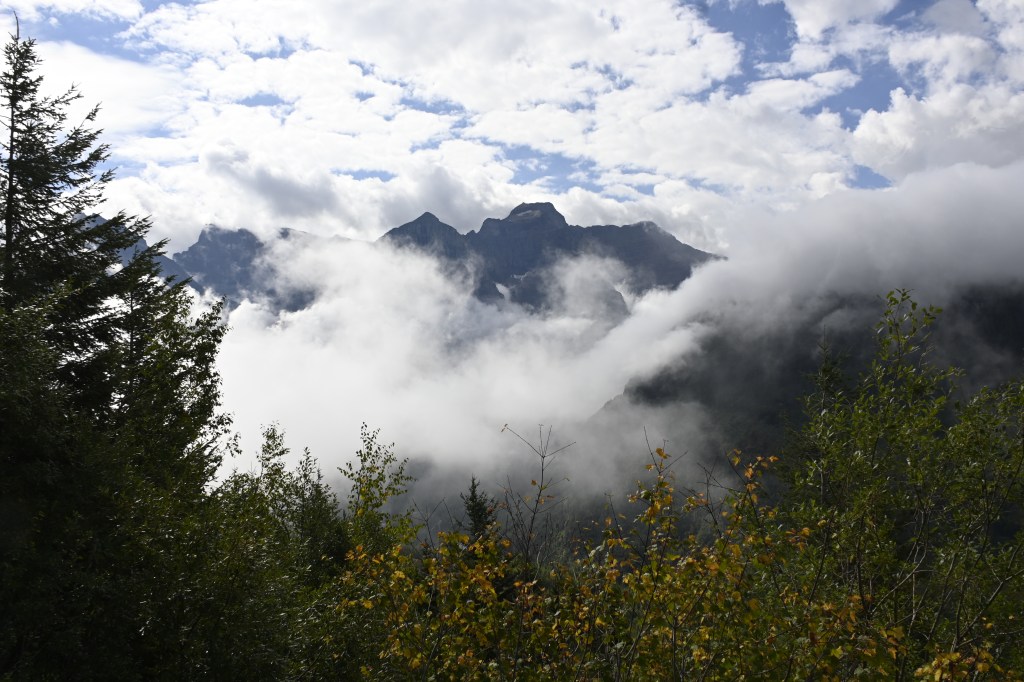
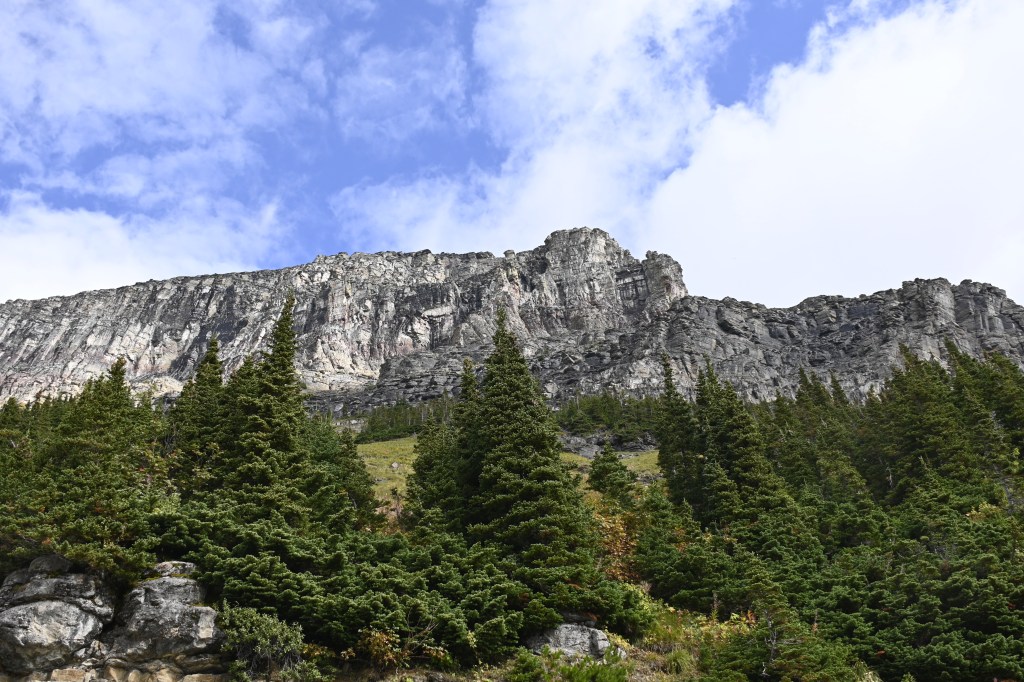
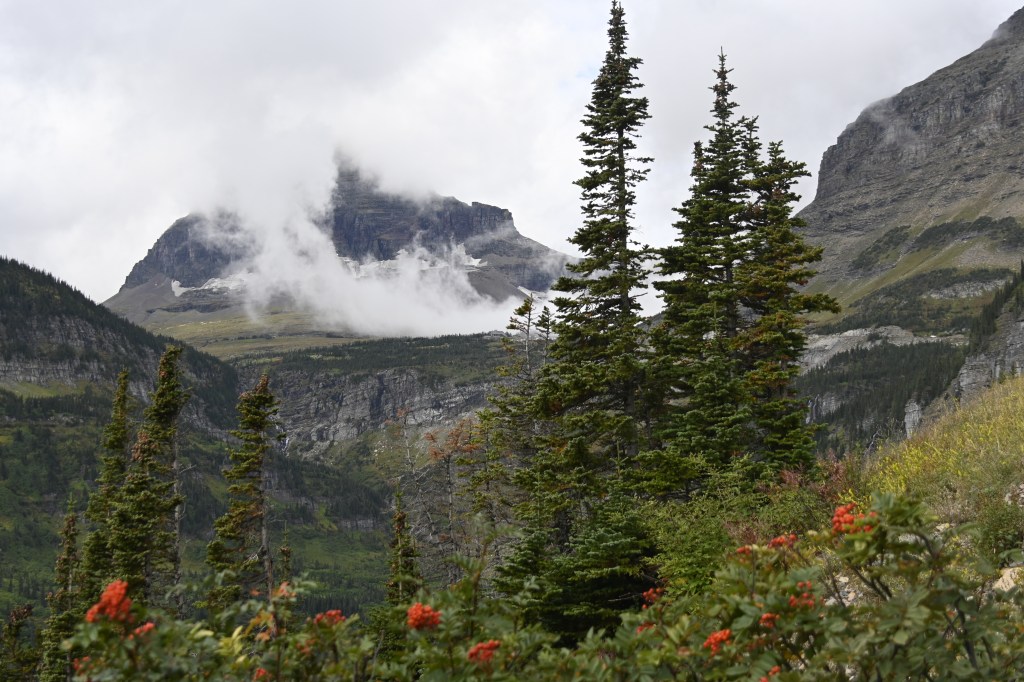
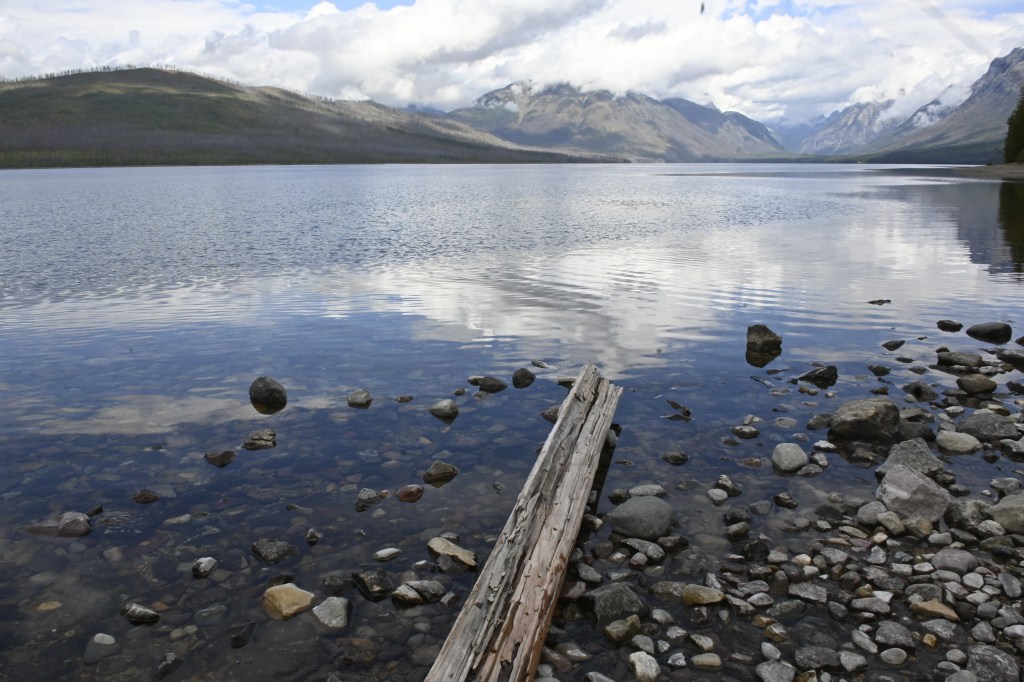
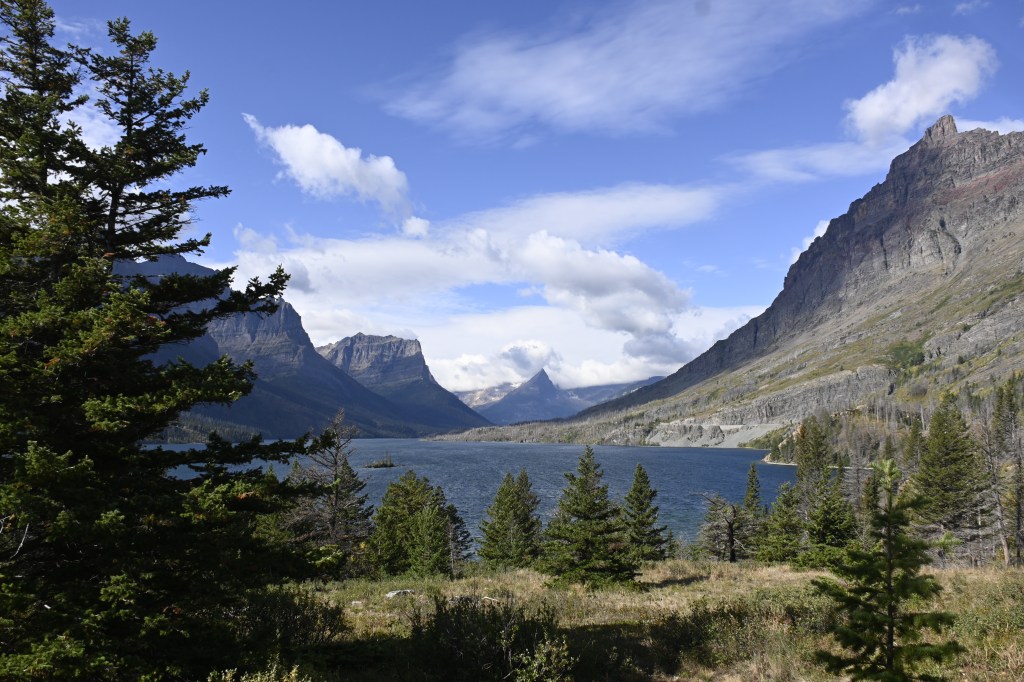
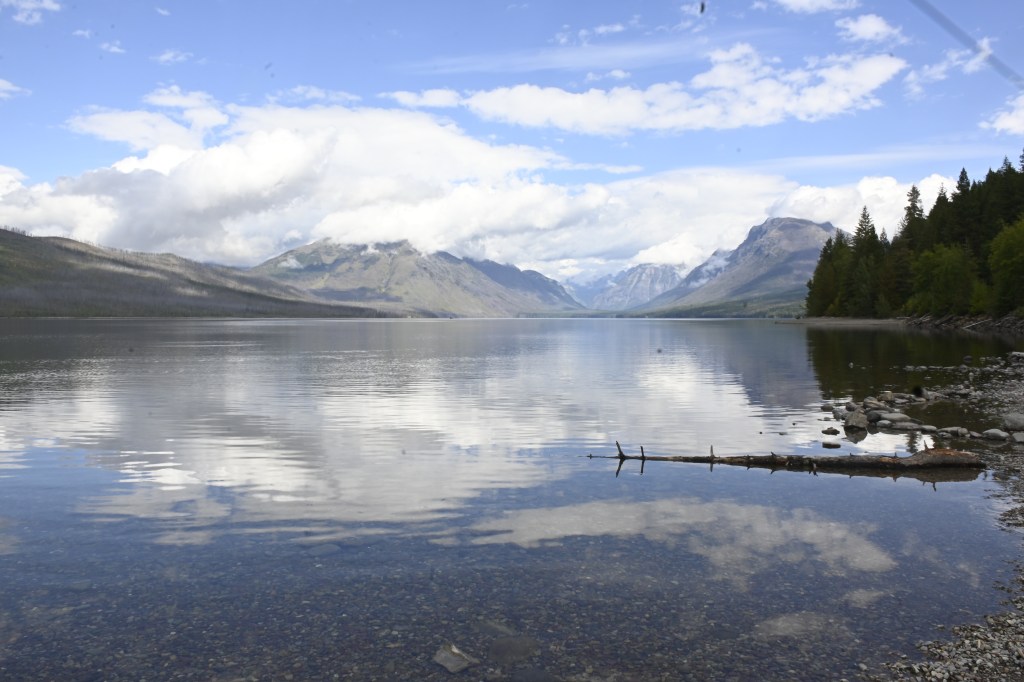
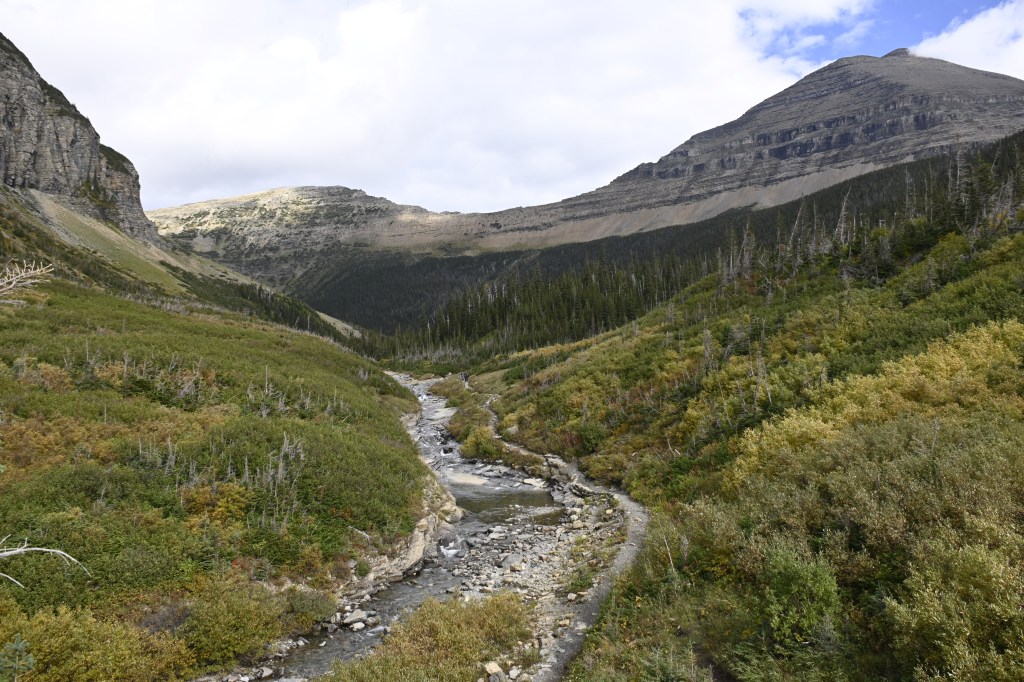
We were off to Glacier National Park by 7:30, with stops along the way to take pictures. We did not arrive on the East Side, St. Mary’s Visitor Center, until around 10:30. We were early enough that the beginning of the trip on the “Road to the Sun” was not crowded. But after several stops, a couple of short hikes in to photograph, we got to Logan’s Pass where it was completely socked in with fog and the parking lot was full. We headed back down to the Western side zig zagging on the narrow road, coming too close for comfort to the rocks on the side, but we succeeded in getting down. I only breaked for Shap a couple of times and freaked out twice when the rocks arrived one inch from the passenger window. He did a fabulous job.
On the way to Glacier, we rode through one of the reservations. Nothing could have been more evident than the poverty. Homes and trailers crowded in, on small plots of land with no grass around them, most of them in terrible repair and some of the trailers looked unlivable. For me, it was so shocking because it really brought forth what our government and our ancestors, and probably our fellowman, have done. Forcing the Indians who wanted to preserve their traditions and their tribal lands onto land that is nonproductive, barren with no means of supporting a family is in your face as you drive by.
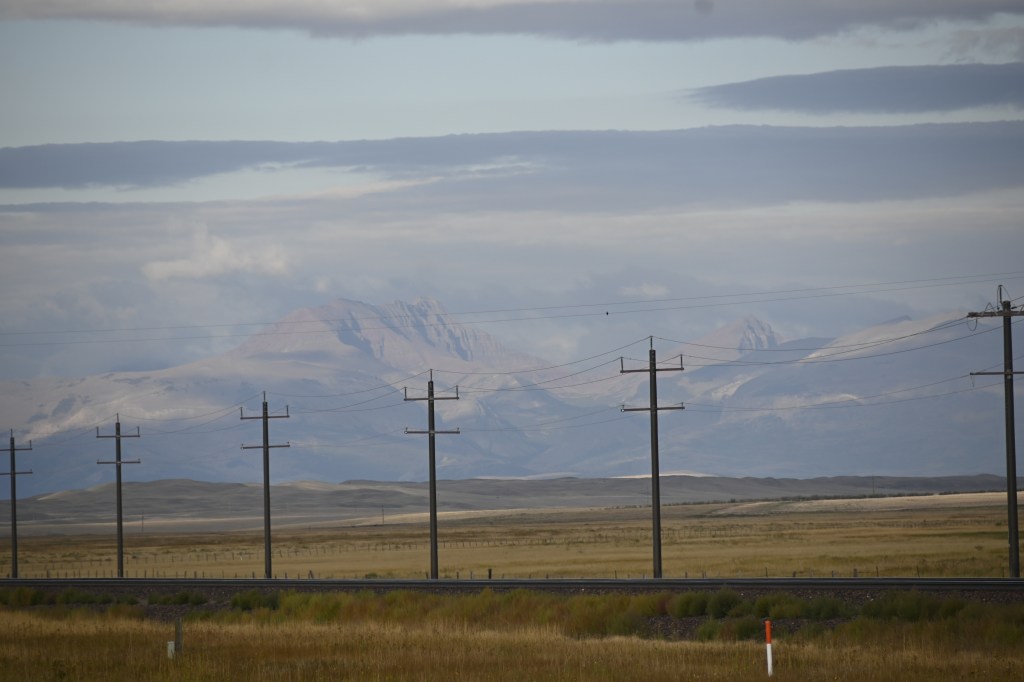
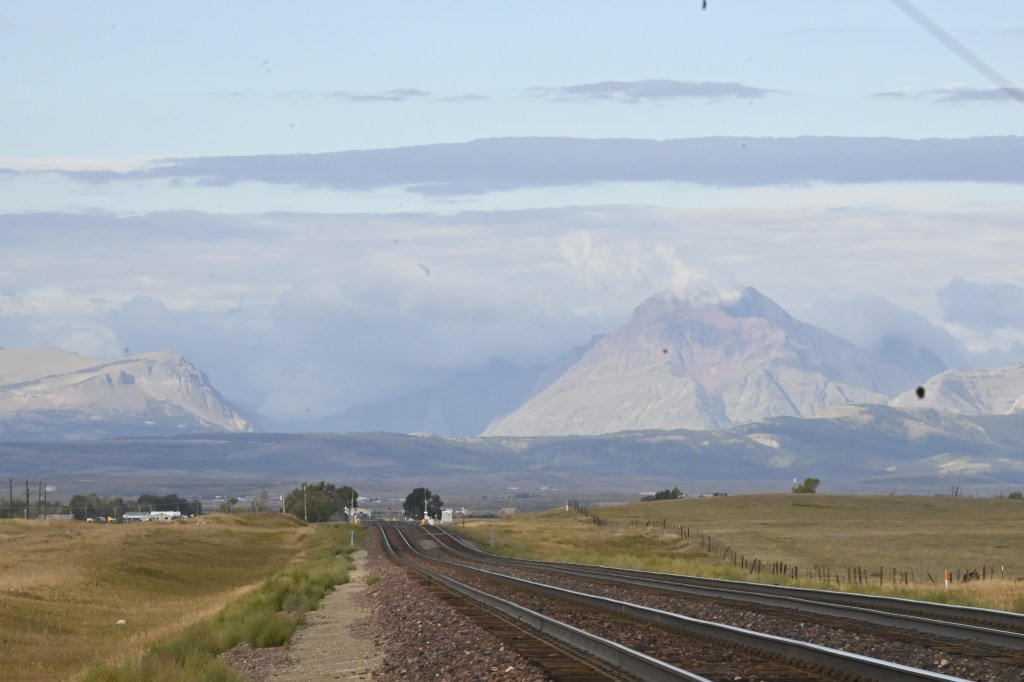
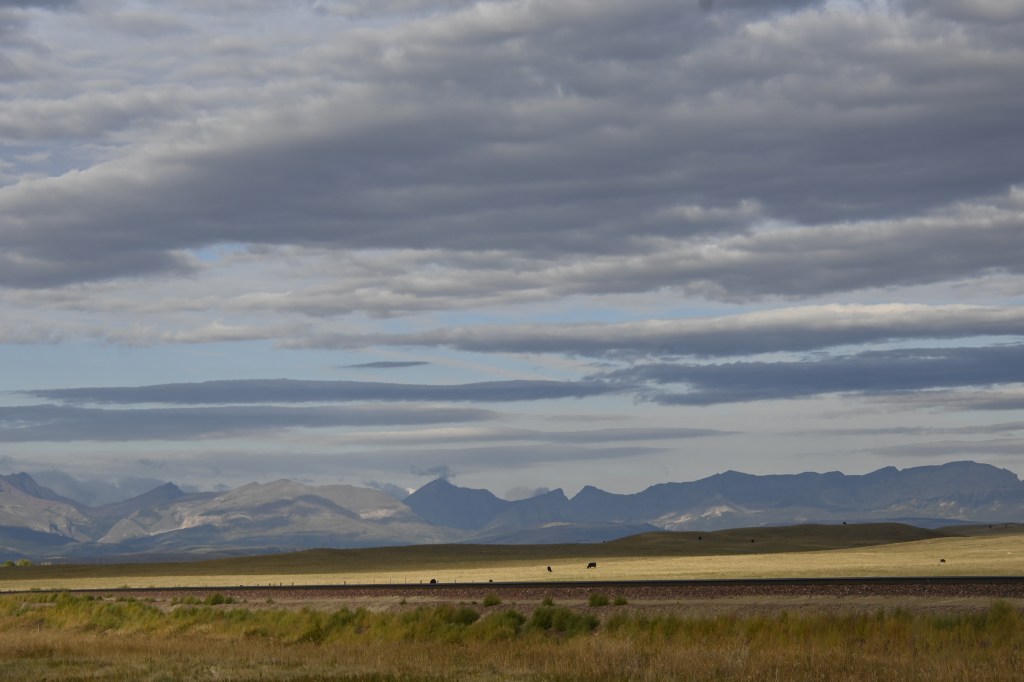

I questioned if the poverty these tribes experience is more intense or if it just as intense in the rest of the U.S. ? I can’t answer this question, as I have not traveled to these areas. I know Vermont and I know what poverty looks like in Vermont, but I do not know what it looks like elsewhere in places like Appalachia or the Southwest or even in the cities. I am fortunate I realize every day.
What I question is why in the United States people go hungry. We grow more food than we eat, we send it overseas, but we do not seem to be able to feed our own people. No one in America should go hungry, and yet they do. Where are those one percenters who could feed all of these people with small change from their investments. Instead it is the churches and the local people who take up the mantel. They should follow the example of McKenzie Scott, who quietly gave money to every state. Vermont alone got $9 million dollars for the Food Bank with no strings attached. Can you imagine what that has done for such a small state?
Hunger is one of my biggest issues because I have seen it first hand while teaching school. I see it first hand when traveling the roads of Vermont. The breakfast programs, the lunch programs and the backpack programs for kids to take food home for the week-end still do not do enough to feed families, seniors, and homeless. How do we solve the hunger issue? I can only do what I can at home, but as I traveled through the reservation today, I could only feel helpless.
Glacier National Park is a treasure, but then all of the National Parks I have been to are treasures. Each one offers its own uniqueness. I remember traveling on horseback with the kids to the Gila Wilderness when they were young. Three million acres preserved, one of the first preservations in the U.S., with box canyons that are inaccessible and they are their own environment where even the animals cannot get out. These treasures are open to all, and it is the foresight of people like Teddy Roosevelt who have saved this for us.


 Go wild with the Smith's